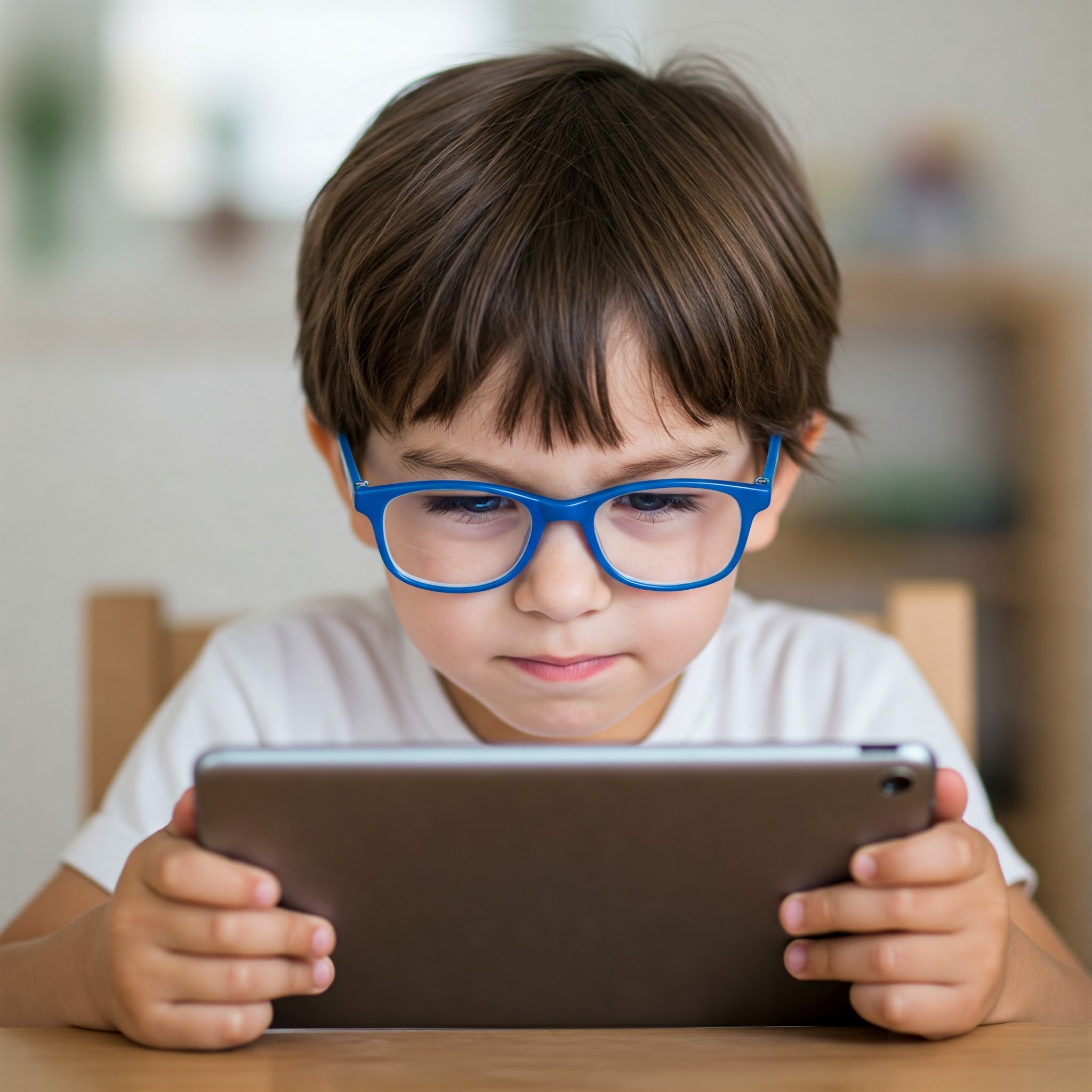
Is your child spending more time on screens? You're not alone. In Singapore, like many developed cities, increased screen time for learning and play is common. This has unfortunately coincided with a rise in childhood myopia (short-sightedness). In fact, more than half of children in Singapore are affected by myopia by the age of 12. While screens are often essential, managing their use is key for our children's eye health.
The Screen Time Challenge: Balancing Tasks and Eye Health
Parents often find it challenging to balance necessary screen-based learning or tasks with protecting their children's vision. Constant near work without breaks can strain young eyes and contribute to myopia progression. So, how can we help kids complete their digital tasks in a more organized, purposeful, and eye-friendly manner?
The "Bitesize TaskBoard" Concept: A Partner in Healthy Habits
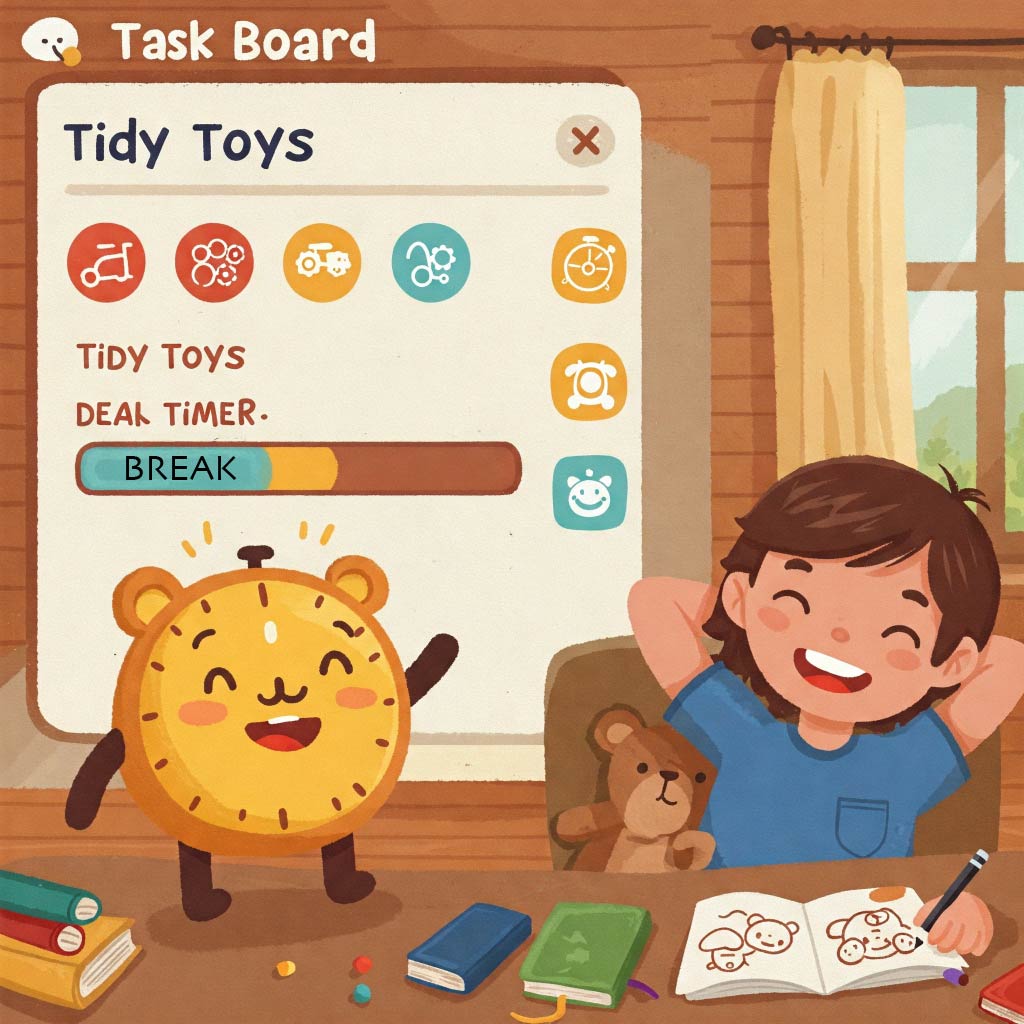
The concept of a "Bitesize TaskBoard" – a visual tool designed for children – isn't just about organizing chores and homework; it's about fostering overall well-being, including eye health. Integrating a Pomodoro Timer (a system that breaks work into focused intervals, traditionally 25 minutes, separated by short breaks) into such a board can be particularly effective for managing screen time.
Here's how this approach helps:
-
Focused Work Sessions: This method encourages breaking down larger screen-based activities (like online research, educational apps, or digital art projects) into smaller, manageable tasks displayed visually.
-
Built-in Breaks with Pomodoro: For each task, especially those involving screens, using a Pomodoro timer promotes focused work for a set period (e.g., 20-25 minutes for older children, shorter for younger ones) followed by a short, mandatory break (e.g., 5 minutes).
-
Purposeful Screen Use: A visual task board system encourages intentional screen use. Instead of aimless scrolling, tasks are defined, timed, and tracked.
-
Reduced Eye Strain: Regular breaks, prompted by the timer, allow your child's eyes to rest, look away from the screen, and refocus on distant objects. This is a crucial habit in preventing myopia progression.
-
Building Healthy Habits: Kids learn to manage their time, take responsibility for their tasks, and incorporate healthy screen habits from a young age through this structured approach.
Using the principles of a "Bitesize TaskBoard" with an integrated Pomodoro timer can guide your child to complete tasks efficiently while promoting crucial breaks for their eyes. It’s about working smarter, not just harder, and fostering habits that support both their learning and long-term well-being.
Implementing these strategies can make a real difference. Tools designed to help children visualize tasks and manage their work intervals, like a 'Bitesize TaskBoard' with a Pomodoro timer, can be particularly effective. Exploring options that offer these features might be a great next step for your family.
Source for myopia prevalence: National University Health System (NUHS), Singapore.