Mealtimes can sometimes feel like a battleground, especially when new foods are introduced! But encouraging children to try new healthy foods is a cornerstone of their well-being, contributing to:
-
Good Nutrition: Expanding their palate to include a variety of vitamins and minerals.
-
Adventurous Eating: Developing an openness to different tastes and textures.
-
Positive Relationship with Food: Building healthy, non-anxious attitudes towards eating.
-
Sensory Exploration: Discovering new smells, colors, and textures.
This journey is a perfect place to nurture a growth mindset. When a child says, "I don't like that!" about a food they haven't tried, we can gently reframe it to, "You don't know if you like it yet," or "It's new to your tastebuds!" This encourages bravery in trying, understanding that preferences can change, and that exploring is part of learning.
Let's make trying new foods a positive and gentle exploration!
Goal: Try a New Healthy Food at Mealtime
A visual TaskBoard can make this a low-pressure and even exciting goal. The aim isn't to force-feed, but to encourage curiosity and a "brave bite." Here’s how you might break down this well-being goal into just a few simple steps:
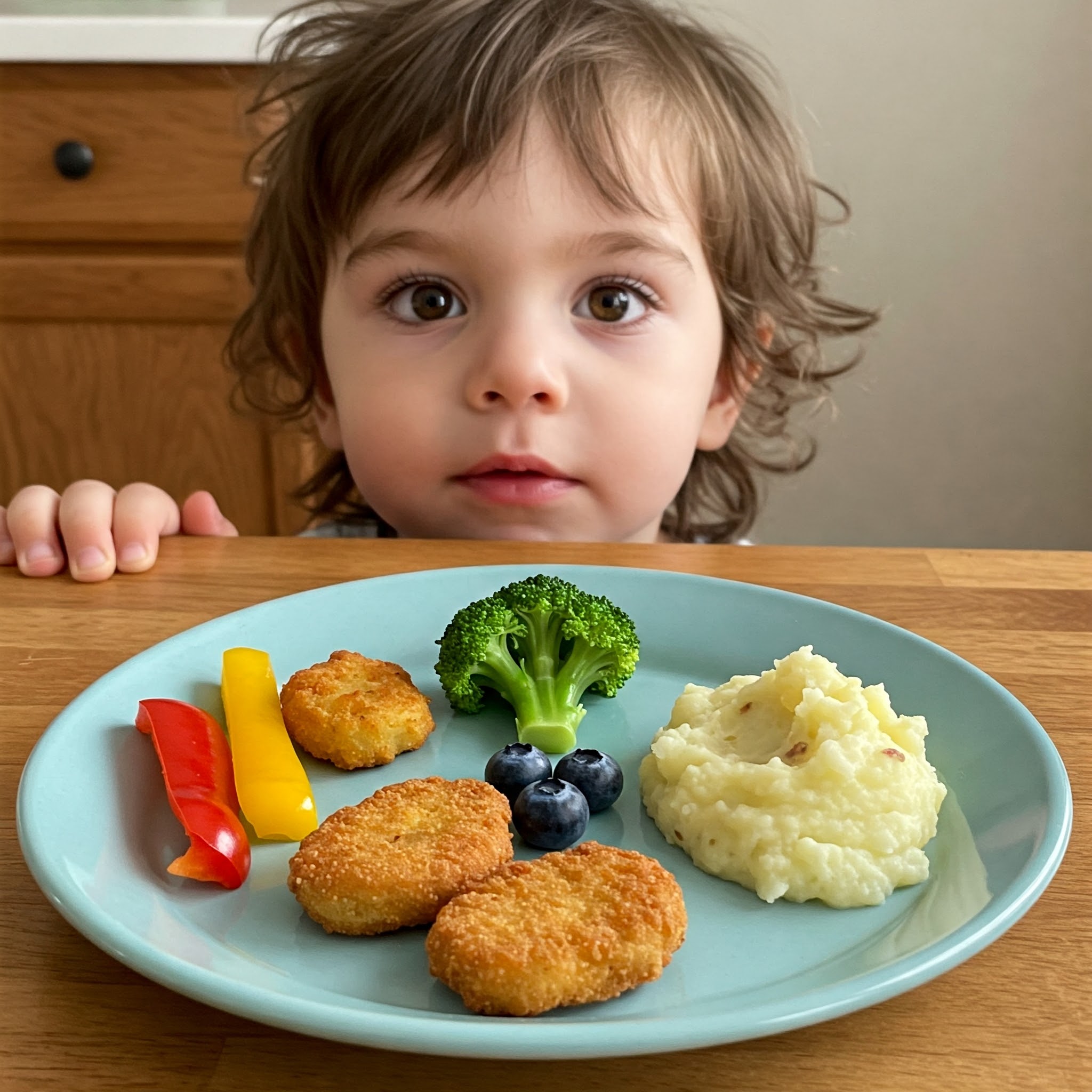
1. Getting to Know the New Food (No Pressure!)
-
Task: Let's Look at Our New Food: "Today, we have [new food, e.g., a carrot stick] on our plate. What color is it? Does it have a smell?" Talk about it without any expectation to eat it yet.
-
Task: New Food Sits with Our Friends: Place a small piece of the new food on their plate alongside foods they already enjoy. The new food is just "visiting" for now.
2. The "Brave Bite" or "Tiny Taste" Challenge
-
Task: Take a "Brave Bite" (or a "Tiny Taste") - If You Want To: "Would you like to take a brave bite of the [new food] just to see what it's like? Just one little taste is great!" Emphasize it's their choice.
-
Task: Talk About What We Discovered: Whether they liked it or not, praise the effort! "Wow, you were brave to try that! What did it feel like in your mouth? Was it crunchy? Soft?" Focus on the experience, not just approval of the food.
3. Celebrating the Exploration
-
Task: We Explored a New Food Today!: Acknowledge the act of trying or even just being open to having the new food on their plate.

Tips for Happy Food Explorers:
-
No Pressure, Ever: The golden rule! Forcing a child to eat something can create negative associations with food. The goal is exposure and willingness to try, not a clean plate.
-
One New Food at a Time: Introduce new foods gradually and in small amounts.
-
Involve Them in Choices & Prep: Let kids help pick out a new fruit or vegetable at the store, or assist with simple, safe food preparation (like washing or stirring). This gives them a sense of ownership.
-
Make it Fun & Appealing: Cut foods into fun shapes, arrange them like a smiley face, or talk about the "superpowers" of healthy foods (e.g., "Carrots help us see in the dark!").
-
Parents as Role Models: Children are more likely to try foods they see their parents and older siblings enjoying.
-
It Takes Time (Lots of It!): It can take 10-15 (or even more!) exposures to a new food before a child accepts it. Don't give up after one or two tries.
-
Growth Mindset Encouragement: "It's okay if it's not your favorite today. Our taste buds can change as we grow!" or "I'm so proud of you for being brave enough to put it on your tongue!"
-
TaskBoard for Positive Reinforcement: Moving tasks like "Looked at new food" or "Took a brave bite" to 'Done!' on a TaskBoard focuses on the positive steps of exploration, regardless of whether the food was eaten and loved.
Encouraging children to try new healthy foods is a journey of patience and gentle guidance. By fostering a growth mindset and making mealtimes a positive, exploratory experience, you help them build a foundation for lifelong healthy eating habits and well-being.